Guide
Why does my dog lick me so much?
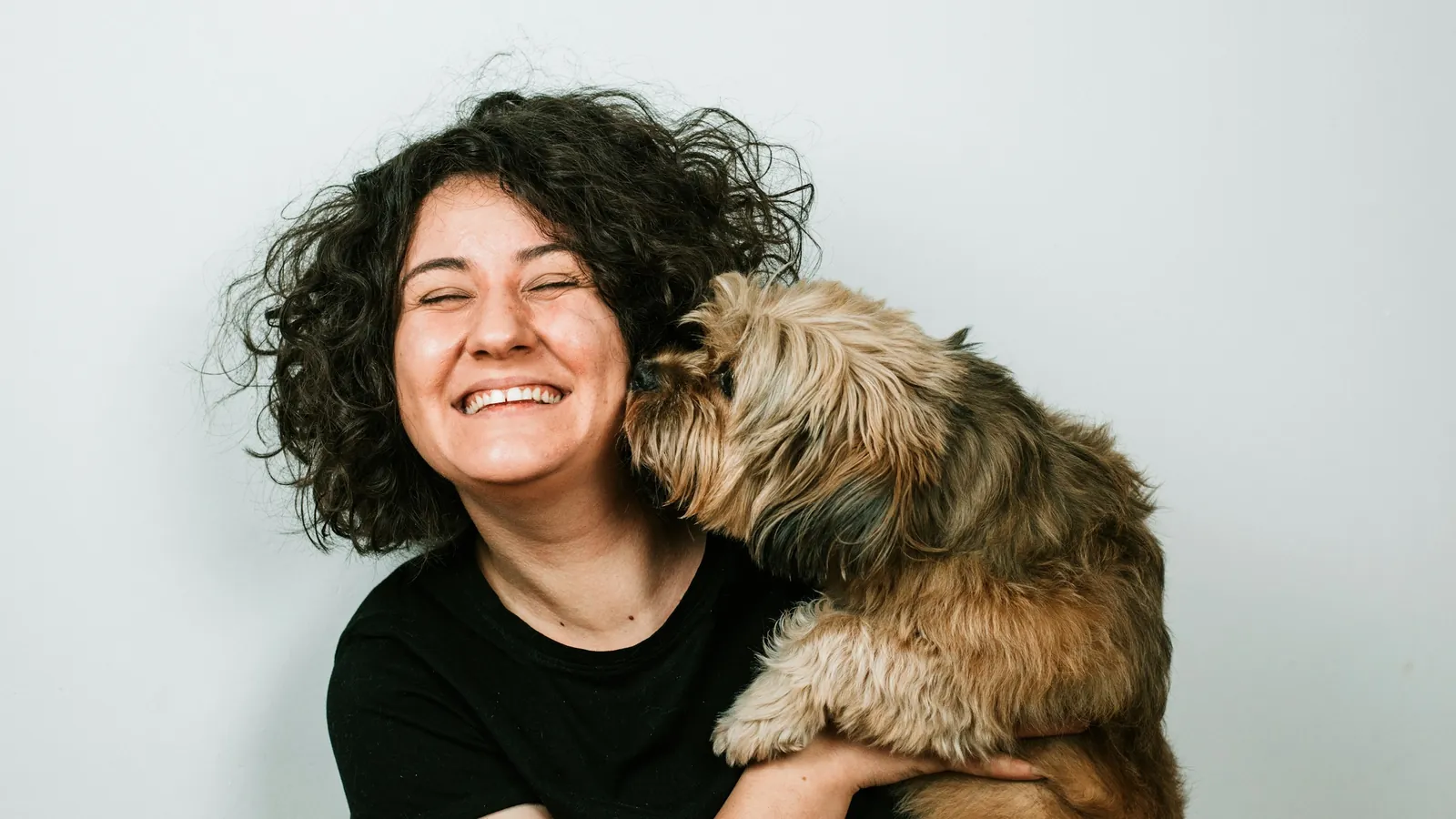
Why does my dog lick me so much? If you've asked that while wiping slobber off your cheek, you're in good company. Most of the time it's sweet and normal: a hello, a bit of love, or the fact that you taste a little salty. Sometimes, though, a lot of licking is your dog's way of saying they're stressed or don't feel great. Here are the 7 most common reasons, how to tell normal from "call the vet," and how to cut back without hurting their feelings.
Quick answer
Usually, it's affection. Dogs lick to say hello, bond with you, get your attention, taste salty skin and calm themselves down. It's a habit that starts in puppyhood. Call your vet if the licking is new, sudden, nonstop or hard to interrupt, since it can point to anxiety, pain, allergies or an upset stomach.
Why does my dog lick me so much? 7 common reasons
Licking starts early. The AKC explains that wild puppies lick their mom's face and muzzle when she comes back from a hunt, which gets her to share food. VCA adds that mother dogs lick their pups to clean them, and that licking builds a bond. So your dog has been doing this their whole life. Here's what it usually means when they do it to you.
1. They love you (and it feels good)
Licking is a big part of how dogs show they're fond of someone. The Royal Kennel Club says licking releases dopamine and endorphins that help dogs feel relaxed. VCA puts it the same way: licking makes them feel calm, relaxed and secure. Dr. Mary Burch, a behaviorist quoted by the AKC and Chewy, says that in most cases a dog licking a person, especially as a greeting, is a sign of affection.
2. It's their way of saying hello
The AKC calls licking a "ritualized greeting" for many dogs. That's why you get a face full of kisses when you walk in the door, or the second you open your eyes in the morning. The Royal Kennel Club says those morning licks may just be a welcome after a night's sleep.
3. You taste good
Human skin is a little salty, especially after a workout, says the AKC. Dogs can also smell traces of food on your hands and lips, which is why the licking often ramps up right after you eat. PetMD adds that lotion and soap residue can draw licks to your legs, too.
4. You taught them it works
This one surprises people. If you laugh, talk, pet or even push your dog away when they lick you, they've gotten your attention. VCA says dogs can feel rewarded by any kind of attention, even a negative reaction, which can lead to even more licking. PetMD notes that our reactions can slowly reinforce face licking over time.
5. They're gathering information
Dogs explore the world with their nose and mouth. Chewy points out that you carry scents from your whole day, including other dogs you petted. PetMD says your hands are "covered in scents, tastes, and information." A good sniff and lick is your dog catching up on the news.
6. They're calming themselves down
Licking can be self-soothing. Chewy quotes an expert who explains that licking releases endorphins, which help calm dogs. If your dog licks you more during storms, car rides or when guests come over, this is likely why. A little is fine. A lot, all the time, is worth a closer look (more on that below).
7. They're comforting you
Some dogs seem to notice when you're upset. The Royal Kennel Club describes a 2012 study where dogs licked and nuzzled their owners more when the owners pretended to cry than when they hummed or talked. Chewy mentions the same research in the journal Animal Cognition. Scientists aren't sure if it's true empathy or a learned habit, but it's a sweet thought.
Why your face, feet or hands?
| Where they lick | The likely reason |
|---|---|
| Your face | Greeting and affection, plus food smells around your mouth (PetMD). It also gets a big reaction, which keeps it going. |
| Your hands | Hands carry lots of scents, and palm sweat leaves a slightly salty taste (PetMD) |
| Your feet | Salty sweat, and it can turn into an attention habit (PetMD) |
| Your legs | Lotion, soap residue or salty skin after a workout (PetMD, AKC) |
| Your ears | Ear wax and skin oils smell interesting to dogs (PetMD) |
When licking is too much: normal vs. call the vet
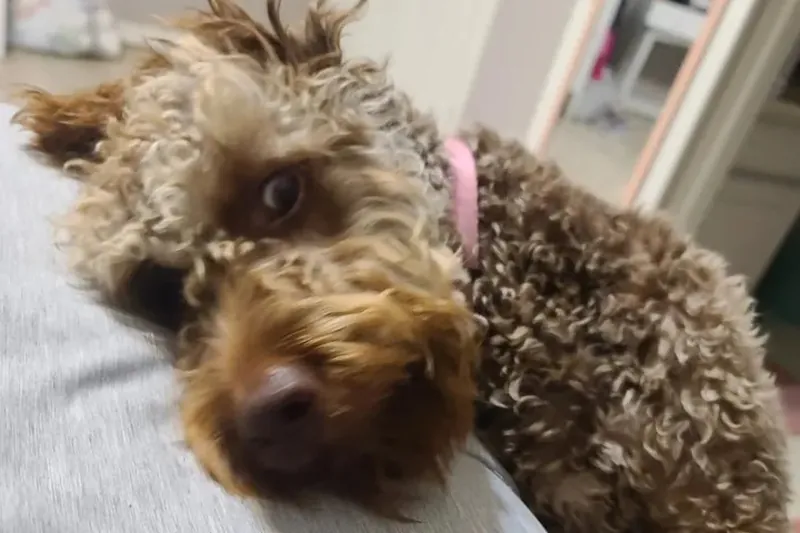
So when does "so much" become a problem? Chewy sums it up simply: licking becomes excessive when your dog can't stop. The Royal Kennel Club says a sudden increase in licking can point to anxiety, separation anxiety, allergies, an injury or arthritis. In rare cases, it can be a compulsive behavior linked to long-term stress.
| Probably normal | Worth a vet visit |
|---|---|
| A few licks when you come home or wake up | Licking that's new or sudden, or way more than usual |
| Licking after you eat or work out | Licking you can't interrupt, even with a treat or a toy |
| Licks that stop when you stand up or redirect them | Licking that gets in the way of eating, sleeping or play |
| Extra licks during a storm that settle after | Licking the floor, carpet, bedding or the air (PetMD says this can be a sign of nausea) |
| Grooming themselves now and then | Licking one spot on their own body, red skin, bald patches or sores |
PetMD's vet advice: if there's damage to the skin, a change in behavior, or licking that lasts more than a few days, book an exam. Take a short video of the licking at home, because dogs often act normal at the vet. And if your dog is very tired and can't keep food or water down, PetMD says to get emergency care right away.
Your vet will look for medical causes first, like allergies, pain or an upset stomach. If those are ruled out, PetMD says a behavior consultant or veterinary behaviorist can help.
How to get your dog to lick you less (kindly)
You don't need to stop all licking. If you like a kiss or two, enjoy it. If it's too much, every source agrees on gentle, positive steps. No scolding.
- Rule out a health problem first. The AKC and Chewy both say to start with your vet if the licking seems excessive.
- Calmly move away. The Royal Kennel Club suggests pulling your hand away or leaving the room without eye contact or comment. Chewy suggests standing up and walking away each time.
- Ask for something else. Teach a "sit," "paw" or "roll over" and reward it. The AKC notes a dog who's sitting can't easily be licking.
- Try a positive interrupter. Chewy suggests a cue like "That's enough," then a treat and a new activity.
- Give the licks a better outlet. The AKC recommends a lick mat with plain yogurt or dog-safe peanut butter. Check the label first. Our can dogs eat peanut butter page covers what to look for.
- Add exercise and play. Extra energy can lead to over-licking, says the AKC. Walks, fetch and food puzzles help.
- Be consistent. The Royal Kennel Club says mixed signals confuse dogs, so everyone in the house (and your sitter) should respond the same way.
Is it safe to let your dog lick you?
For most healthy people, a lick on the hands is no big deal. Still, a dog's mouth has plenty of bacteria. Chewy notes that germs like Salmonella and Campylobacter can spread from dogs to people through saliva. The CDC says most dogs carry Capnocytophaga germs in their mouths, but most contact with dogs doesn't lead to illness.
- Wash up. The Royal Kennel Club suggests soap and water after a lick, especially on your face.
- Skip face licks if you're at higher risk. Chewy says people with weaker immune systems, young kids, older adults and pregnant people should avoid being licked or wash with warm, soapy water after playtime. VCA recommends avoiding face licks for everyone.
- Watch out for creams. The Royal Kennel Club warns that some medications and lotions, like psoriasis creams, can be very poisonous to dogs. Don't let your dog lick skin you've just treated.
- Ask your doctor if you have a health condition that raises your infection risk, as the CDC suggests.
Does your dog do this too? Tell your sitter
A sitter who doesn't know your dog might wonder if all that licking is normal, or worry when it suddenly stops. A few lines on your dog's page clears it up:
- Quirks: "Licks your face when you walk in. That's his hello. Ask for a sit and he'll stop."
- House rules: "We don't reward licking. Stand up and turn away, then praise him when he sits."
- Lick mat: "Plain yogurt on the lick mat after his evening walk. Nothing else on it."
- Call me if: "He keeps licking the floor or the air, licks one paw nonstop, or won't eat."
- Contacts: your vet, the nearest emergency clinic and your number.
Does your dog do this too? Put it on their sitter page so the sitter knows it's normal. DearSitter keeps quirks, feeding, meds, your vet and printable emergency cards on one link your sitter opens on their phone. Peek at the example page, then make your dog's page. Heading out for the day? Our guide on how long a dog can be left alone helps you plan, and the pet sitter checklist covers everything else to leave behind. Wondering about a snack? Try the can my dog eat it checker.
Frequently asked questions
Why does my dog lick me so much?
Usually it's affection. Dogs lick to say hello, bond, get your attention, taste salty skin and calm themselves. If the licking is new, sudden or hard to interrupt, check with your vet, since it can point to anxiety, pain, allergies or nausea.
Is it bad if my dog licks me a lot?
Not usually. A few licks when you get home or after you eat is normal. It's worth a vet visit if your dog can't stop, the licking gets in the way of eating, sleeping or play, or it shows up out of nowhere.
Why does my dog lick my feet?
PetMD says feet are salty from sweat, which dogs like, and foot licking can turn into an attention habit if it gets a reaction. Calmly moving away and asking for a sit can help.
Does my dog lick me to show love?
Often, yes. Experts quoted by the AKC and Chewy say licking a person, especially as a greeting, is usually a sign of affection. The Royal Kennel Club says licking also releases feel-good chemicals that help dogs relax.
Should I let my dog lick my face?
VCA recommends avoiding face licks, and Chewy says kids, older adults, pregnant people and anyone with a weaker immune system should avoid being licked or wash with warm, soapy water afterward.
How do I get my dog to stop licking me?
Rule out health problems with your vet, then calmly walk away when the licking starts, reward a sit instead, offer a lick mat or chew, and add more exercise. Be consistent and skip the scolding.
Sources
- AKC: Why is my dog licking me?
- Royal Kennel Club: Why does my dog lick me so much?
- VCA Animal Hospitals: Why do dogs lick humans?
- PetMD: Why do dogs lick you? (Kasey Stopp, DVM)
- PetMD: Excessive licking, chewing and grooming in dogs
- PetMD: Why do dogs lick everything?
- Chewy: Why do dogs lick you? (reviewed by Dr. Barri J. Morrison)
- CDC: Pets and Capnocytophaga germs
This guide is general information, not veterinary advice. If you're worried about your pet, call your vet.
Keep reading
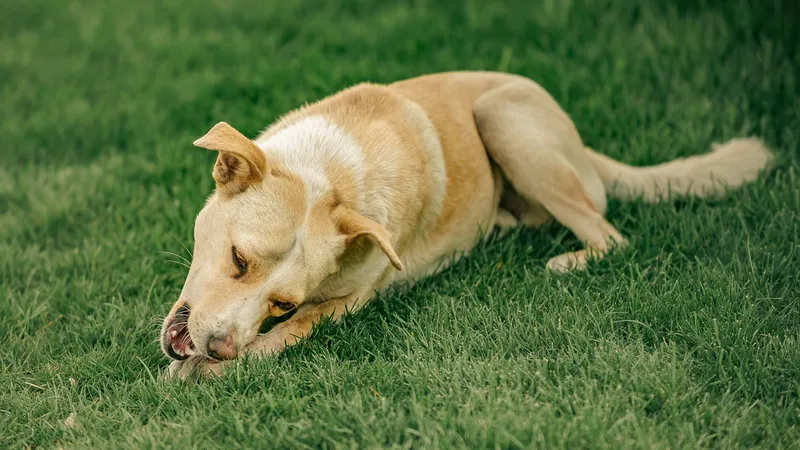
Why does my dog eat grass?
Why does my dog eat grass? The 7 likely reasons, what the studies found, when it's normal, when to call the vet, and easy ways to cut back.
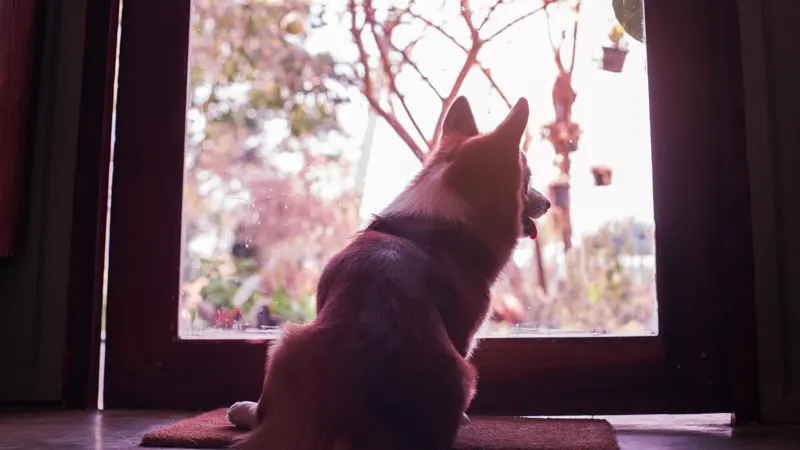
How long can a dog be left alone?
How long can a dog be left alone? Vet and charity guidance by age, from puppies to seniors, plus signs your dog is stressed and simple ways to help.
The pet sitter checklist: 25 things to leave your sitter
A printable pet sitter checklist for dogs and cats: feeding, meds, routines, emergency contacts and house notes. What to leave your sitter before you go.