Guide
Why does my dog eat grass?
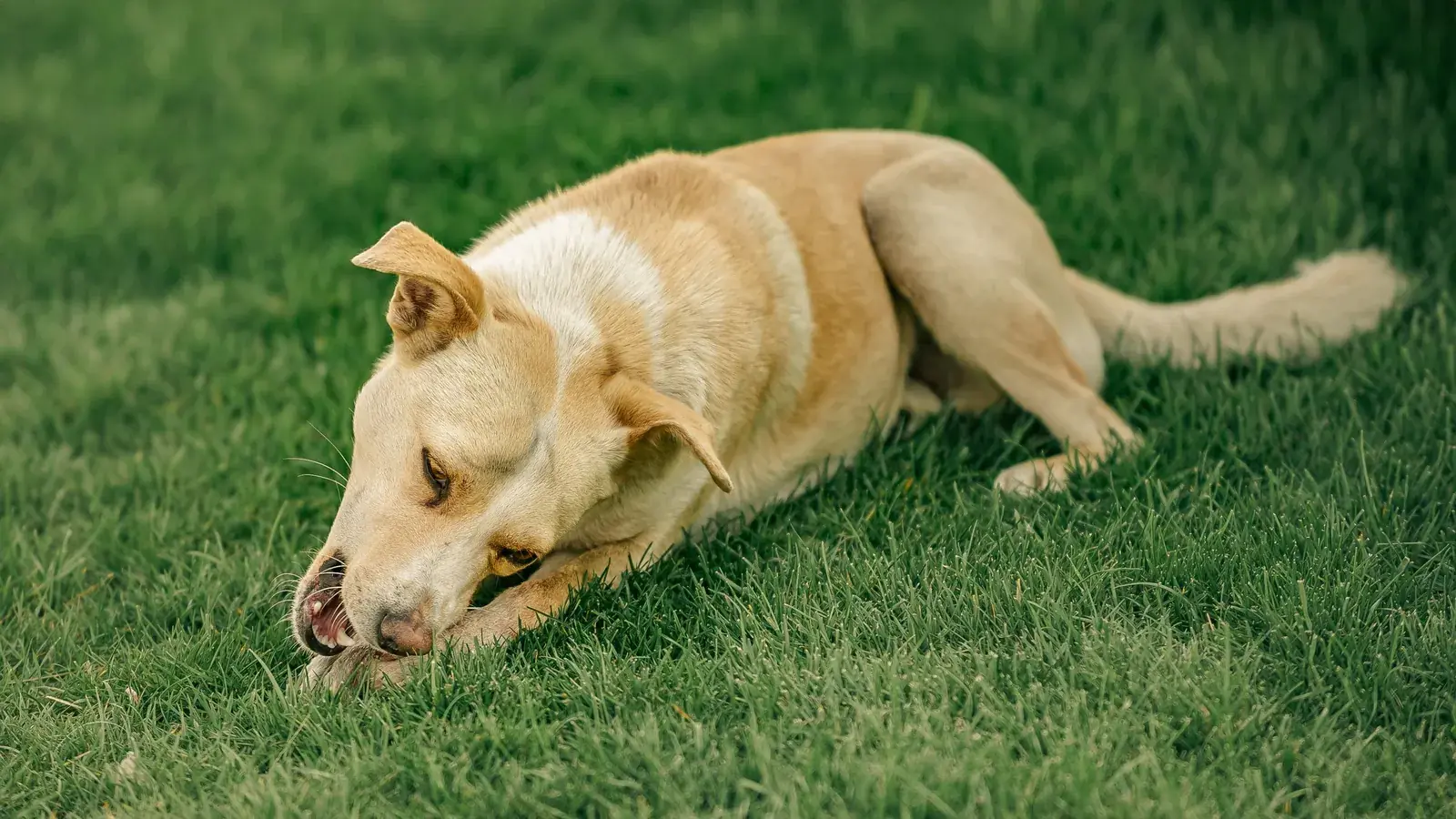
Why does my dog eat grass? If your pup grazes like a little cow every time you step outside, you're in good company. Most dogs nibble grass now and then, and for most of them it's totally normal. Sometimes, though, a lot of grass eating means your dog's tummy is off or the grass itself isn't safe. Here are the likely reasons, what the research actually found, how to tell normal from "call the vet," and easy ways to cut back.
Quick answer
Usually, it's normal. Many dogs simply like the taste, are bored, want more fiber or are following an old instinct. Studies show most dogs aren't sick before they eat grass, and most don't throw up after. Call your vet if it's sudden, nonstop, or comes with vomiting, diarrhea or a low appetite.
Is it normal for dogs to eat grass?
Yes, for most dogs. The Royal Kennel Club shares a survey of about 1,500 dog owners where nearly 70% said their dogs ate plants daily or at least weekly. The AKC points to a small UC Davis study whose researchers concluded that eating grass and plants is a normal thing for pet dogs to do.
It even runs in the family. PetMD's veterinary behaviorist, Dr. Wailani Sung, notes that research on wolves found 2 to 10% of their stomach contents can be plant material. The Royal Kennel Club adds that grass eating is more common in younger dogs, and Rover says puppies do it more than adult or senior dogs. Rover also says no breed is more likely to do it than another.
Why does my dog eat grass? 7 likely reasons
Nobody knows for sure, and Hill's says experts still aren't entirely sure why dogs do it. But vets and researchers have a good shortlist.
1. They like the taste
Some dogs just enjoy it. VCA says fresh spring grass is especially popular, and the Royal Kennel Club says the season can change how grass tastes, feels and smells. Rover adds that some dogs even have a favorite type or a favorite patch.
2. They're bored
VCA and the AKC both say dogs left alone in the yard may eat grass out of boredom. Hill's says grazing is more common when a dog is anxious or bored. If the grass munching happens most when nothing else is going on, this is a likely reason.
3. They want more fiber
VCA says grass may help digestion if a dog's food is low in fiber. PetMD describes a case where an 11-year-old Miniature Poodle had eaten grass and plants, then thrown up, for seven years. The habit stopped once the dog was switched to a high-fiber diet. Talk to your vet before changing food, though. The Royal Kennel Club says the same.
4. Their stomach is a little off
This is the one most people have heard. Hill's says some experts think it's a deliberate way to bring up something that upset the stomach. Dogs doing this tend to gulp grass fast without much chewing. The AKC adds that a dog with an empty stomach may eat grass to bring up bile, which can irritate the stomach. Read the next section, though, because the studies say this is less common than people think.
5. Plain old instinct
The AKC and PetMD say it may be an inherited behavior from wild ancestors, even in dogs on a complete and balanced diet. Rover notes dogs are omnivores, so a little plant foraging fits.
6. They're hungry
PetMD describes a 2007 study where dogs ate less grass after meals, more before meals, and less later in the day. So a dog waiting on breakfast may graze more than a dog who just ate.
7. It gets your attention
PetMD says dogs can learn that eating grass gets a reaction from you. And if grass is "forbidden," it can become even more tempting. Puppies and young dogs also explore with their mouths, so curiosity plays a part too. (Sound familiar? Our guide on why dogs lick so much covers a few of the same attention habits.)
Do dogs eat grass to throw up?
Mostly not. Here's what the research shows:
- The Royal Kennel Club says a 2008 survey of around 1,500 dogs found fewer than 1 in 10 showed signs of illness before eating grass, and only about a quarter were regularly sick afterward.
- The AKC describes a small UC Davis study where only about 22% of dogs frequently vomited after eating grass, and only 9% frequently seemed ill beforehand. Rover cites a similar figure of 8%.
- PetMD says that in a survey of vet students and pet owners, almost all said their dogs ate grass, but almost none said their dogs regularly threw up afterward.
So grass and an upset stomach can go together, but for most dogs it's just a snack. Hill's says if your dog eats grass, throws up once and then seems fine, whatever bothered them has probably passed.
When to worry: normal vs. call the vet
Here's a quick checklist, pulled from the AKC, the Royal Kennel Club, VCA, PetMD, Hill's and Preventive Vet.
| Probably normal | Call your vet |
|---|---|
| Nibbles grass now and then on walks | Eats grass every day or in big amounts |
| Throws up once, then acts like their usual self | Keeps eating grass and throwing up |
| Still eats their meals happily | Eats grass instead of their food, or has a low appetite |
| Normal energy and poop | Diarrhea, constipation, bloody stool or weight loss |
| Grazes more in spring | Seems tired, unwell, or keeps licking their lips |
| Grass from your own untreated yard | Ate grass that was recently sprayed or fertilized |
Preventive Vet says grass eating that's sudden, excessive or paired with other symptoms can be a sign your dog isn't feeling well, and lists stomach and gut issues like inflammatory bowel disease, gastric reflux and pancreatitis as things a vet may want to rule out. The AKC says a vet may use fecal or blood tests to check for parasites or toxins.
The AKC and Hill's also mention pica, which is compulsively eating things that aren't food, like dirt, paper or cloth. If your dog is eating grass along with other odd things, mention it to your vet.
When grass isn't safe
The grass itself is usually fine. What's on it or in it is the bigger worry:
- Lawn chemicals. VCA, the AKC and the Royal Kennel Club all say to keep dogs off grass treated with herbicides, pesticides or fertilizers. Rover suggests keeping dogs off treated grass for a few weeks. PetMD says signs after pesticide-treated grass can include drooling, nausea, vomiting, diarrhea and a low appetite, and to see a vet right away if you suspect it. Bring the product label if you can.
- Parasites and germs. The AKC says grass can carry roundworms and hookworms from other animals' poop. PetMD adds parvovirus, which is especially risky for puppies and unvaccinated dogs. Busy spots like dog parks are the biggest worry, so regular deworming and fecal tests help.
- Lungworm. The Royal Kennel Club says slugs or snails that crossed the grass may pass on lungworm.
- Too much at once. VCA says a big amount of grass can clump into a blockage that may need surgery.
- Sharp seeds. Preventive Vet says foxtails and other sharp seeds can get stuck in the mouth, throat or gut.
- Toxic plants. The AKC says to watch dogs around toxic houseplants. Not everything green is grass.
If you think your dog ate something treated or toxic, call your vet, an emergency vet, or a 24/7 poison line: ASPCA Animal Poison Control at (888) 426-4435 or Pet Poison Helpline at (855) 764-7661. A fee may apply.
How to help your dog eat less grass
If your vet says your dog is healthy, there's no need to stop every nibble. But if you'd like to cut back, these ideas come from the AKC, PetMD, VCA and Preventive Vet:
- Teach "leave it." Practice it outside and reward with a treat or a game of tug when they walk away from the grass.
- Walk after meals. PetMD suggests walking right after a meal, when your dog is full.
- Try a small early meal. For dogs who graze on an empty stomach, the AKC suggests a small meal in the morning or right before bed. Ask your vet first.
- Beat boredom. More exercise, puzzle feeders, safe chews and sniff-heavy walks. Long stretches alone in the yard are a common trigger. Our guide on how long a dog can be left alone has ideas for busy days.
- Redirect, don't scold. PetMD says to calmly call your dog to something else, like a toy or a hand touch for a treat.
- Offer safe greens. Preventive Vet suggests dog-safe greens like green beans, or growing pet grass at home. See our green beans and cucumbers pages, or check anything else in the can my dog eat it checker.
- Keep water handy. The AKC says thirst may play a role, so leave fresh water outside.
Leaving your dog with a sitter? Tell them this
A sitter who sees your dog chomping grass might panic, or might not notice when it's too much. A few lines on your dog's page clear it up:
- Quirks: "She nibbles grass on most walks. That's normal for her."
- Where not to graze: "Keep her off the neighbor's lawn and the park by the school. They spray it."
- When to call: "If she throws up more than once, eats grass nonstop, skips a meal or seems tired, call the vet."
- Contacts: your vet, the nearest 24/7 emergency clinic, both poison lines and your number.
- Meal times: if a small early meal helps, write down exactly when and how much.
Does your dog do this too? Put it on their sitter page so the sitter knows it's normal. DearSitter puts quirks, feeding, meds, routines and printable emergency cards on one link your sitter opens on their phone. Peek at the example page, then make your dog's page. Our pet sitter checklist covers everything else to leave behind.
Frequently asked questions
Is it OK for my dog to eat grass?
Usually, yes. The Royal Kennel Club and the AKC say eating grass is normal for most dogs. Just keep them off grass treated with pesticides, herbicides or fertilizers, and call your vet if it's excessive or comes with other symptoms.
Why does my dog eat grass and then throw up?
Some dogs may eat grass when their stomach already feels off, and Hill's says dogs doing this tend to gulp it fast. But studies show most dogs don't regularly throw up after eating grass. If it keeps happening, see your vet.
Why is my dog suddenly eating so much grass?
A sudden change can mean your dog's stomach is upset or something else is going on. Preventive Vet says sudden or excessive grass eating can be a sign your dog isn't feeling well. Call your vet, especially if there's vomiting, diarrhea or a low appetite.
Does eating grass mean my dog is missing something in their diet?
Sometimes. VCA says it may point to a low-fiber diet, and PetMD shares a case where a high-fiber diet stopped the habit. But dogs on balanced diets eat grass too. Ask your vet before changing food.
Should I stop my dog from eating grass?
Not always. If your vet says your dog is healthy and the grass is untreated, an occasional nibble is fine. To cut back, teach leave it, walk after meals, add more play and offer safe chews or pet grass.
Can eating grass make my dog sick?
It can if the grass was treated with chemicals, carries parasites, or your dog eats a lot at once. VCA says large amounts can cause a blockage. Call your vet or a pet poison line if you're worried.
Sources
- AKC: Why does my dog eat grass?
- VCA Animal Hospitals: Why does my dog eat grass?
- PetMD: Why do dogs eat grass?
- Royal Kennel Club: Why does my dog eat grass?
- Hill's Pet Nutrition: Why do dogs eat grass?
- Preventive Vet: Why is my dog eating grass?
- Rover: Why do dogs eat grass?
- ASPCA Animal Poison Control Center
- Pet Poison Helpline
This guide is general information, not veterinary advice. If you're worried about your pet, call your vet.
Keep reading

Why does my dog lick me so much?
Why does my dog lick me so much? 7 real reasons, why it's your face or feet, the signs that mean stress or pain, and how to cut back kindly.
How long can a dog be left alone?
How long can a dog be left alone? Vet and charity guidance by age, from puppies to seniors, plus signs your dog is stressed and simple ways to help.

The pet sitter checklist: 25 things to leave your sitter
A printable pet sitter checklist for dogs and cats: feeding, meds, routines, emergency contacts and house notes. What to leave your sitter before you go.