Guide
Do cats miss their owners?
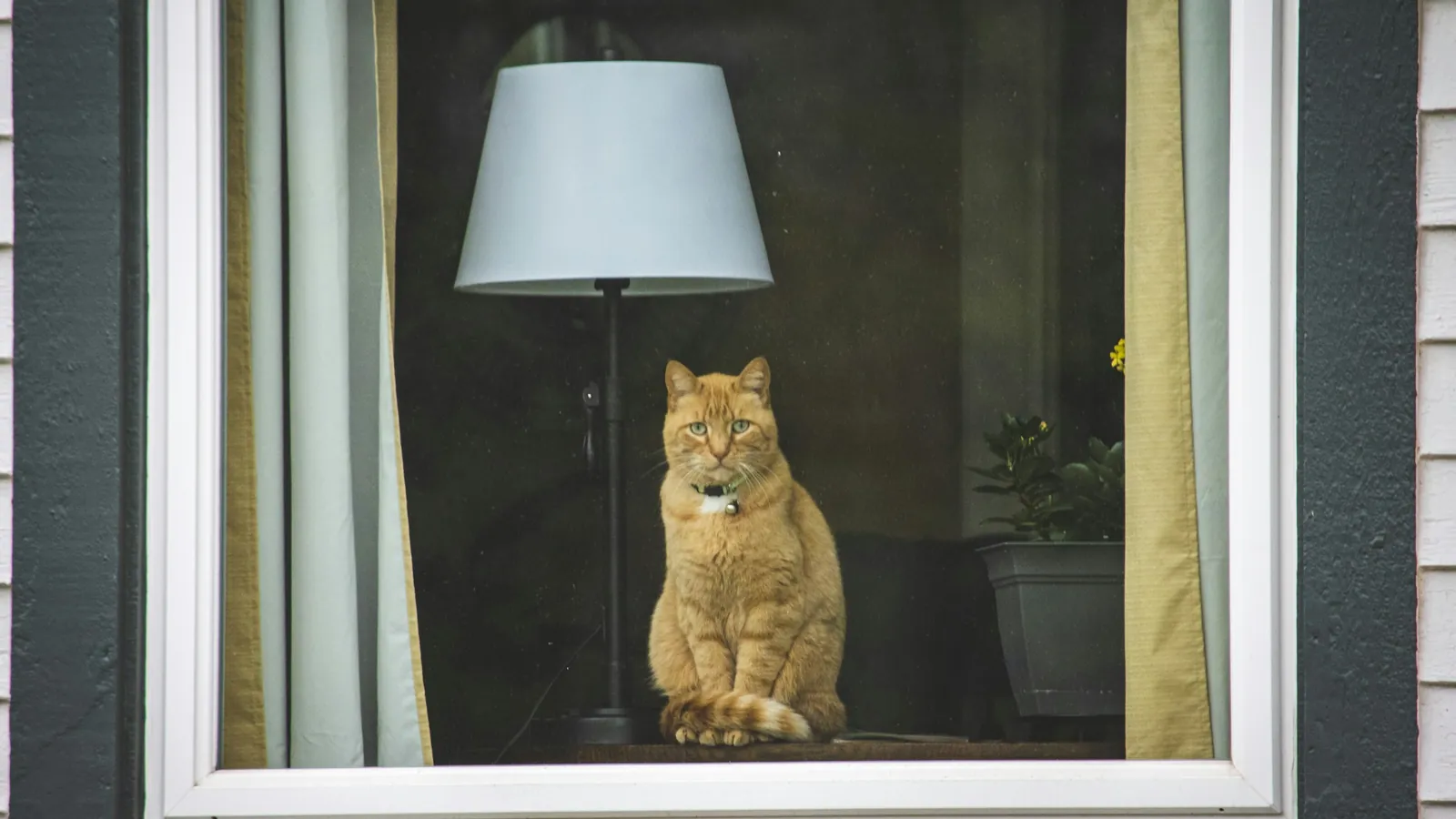
Do cats miss their owners? The answer surprises a lot of people: many cats really do. Cats have a reputation for not caring if you come or go, but research says most cats form a real bond with their people. That doesn't mean your cat sits by the door crying all week. Most cats cope fine with a good setup. Here's what the science says, 7 signs your cat missed you, the signs that mean they're truly stressed, and how to make your next trip easier on both of you.
Quick answer
Yes, many do. A 2019 Oregon State study found about two thirds of cats and kittens are securely bonded to their people, close to the rate in human babies. Cats often show it with extra meowing, waiting by the door and extra cuddles when you get home. A sitter visiting at least twice a day helps.
Do cats miss their owners? What the science says
For a long time, people thought cats were too independent to care. A study from Oregon State University changed that picture. Researchers used a reunion test first made for human babies and later used with dogs. Each cat spent two minutes in a new room with its person, two minutes alone, then two minutes back together.
ScienceDaily reports that about 65 percent of both cats and kittens were securely bonded to their people. That's about the same rate as human infants. PetMD, citing the same study, puts it at 64 percent.
So when you leave, a bonded cat notices. Rover points out that there isn't much research yet on the exact signs that a cat misses you. But vets and cat groups agree on the common patterns, and they're easy to spot once you know them.
Here's the good news. Petplan says most cats are still happy to entertain themselves or take a long nap while you're gone. Missing you and coping well can both be true.
7 signs your cat missed you
These come from Rover, Petplan, Feliway and TrustedHousesitters. Your cat might show a few, or none at all.
1. More meowing, chirping or trilling
Petplan and Rover both say a cat may get chattier when you come home, with extra meows, chirps and trills, like they're catching you up on the news.
2. Waiting by the door or window
Your sitter may tell you your cat hung out near the door, or at the window where they last saw you. Rover lists waiting by the door as a common sign.
3. Extra affection
Petplan lists kneading, head-butts, licking, sleeping on you and slow blinks. If your cat makes biscuits on your lap the night you get back, that's a happy cat. (Our guides on why cats make biscuits and why cats lick you explain those two.)
4. Purring and stretching
Feliway and TrustedHousesitters both mention extra purring and stretching when you return. Petplan adds one note: purring can also be a way cats calm themselves, or a sign of pain, so look at the whole picture.
5. Following you everywhere
Following you from room to room, even to the bathroom, and rubbing against your legs are on the Feliway and TrustedHousesitters lists.
6. Zoomies and play
Petplan says some cats burst into play when you get home. A sudden sprint down the hallway can be pure excitement.
7. Acting like they don't care
This one is funny. Petplan says a cat who seems indifferent when you walk in may simply feel secure. Some cats play it cool, then show up on your pillow at 2am.
Why some cats miss you more than others
Every cat is different. PetMD (Dr. Krista Sirois) lists a few things that make separation stress more likely:
- Indoor-only cats who live mostly with one adult. When you're their whole world, your absence is bigger news.
- No other pets in the home.
- Cats who were orphaned, weaned early or bottle-raised.
- A change in routine, like a move, a new owner or a new work schedule.
- Female cats are diagnosed more often, according to PetMD.
Age and health matter too. Cats Protection says very young cats, older cats and cats with health conditions may need more frequent visits when you're away.
Missing you vs. real stress: when to call the vet
A little extra meowing is normal. Some changes are a sign your cat is really struggling, or that something medical is going on. Rover says signs like peeing outside the box can also come from health problems such as a UTI, so it's worth a vet check first.
| Normal "I missed you" | Talk to your vet |
|---|---|
| Chattier than usual for a day or two | Constant crying or yowling when alone |
| Waiting by the door or window | Peeing or pooping outside the litter box |
| Extra cuddles, purring, following you | Overgrooming or bald patches |
| A burst of zoomies when you're home | Scratching or chewing things they never touched before |
| Napping a lot while you're gone | Eating much less, weight loss or weight gain |
| A little shy with the sitter at first | Vomiting or diarrhea, or hiding all day, every day |
PetMD says that in one study, three quarters of cats who peed outside the litter box because of separation stress did it only on their owner's bed. That's not spite. Feliway notes your bed is where your scent is strongest.
The good news: PetMD says catching it early gives your cat the best outlook. Your vet can rule out medical causes and help with a plan. Two things to skip, per PetMD: punishment, which makes stress worse, and getting a second cat as a quick fix.
How to help your cat while you're away
These tips come from Cats Protection, PDSA, Blue Cross, Battersea, Rover and Feliway:
- Keep them home if you can. Blue Cross says cats can find moving from place to place very stressful and are most comfortable on their own territory. Cats Protection calls staying home the safest and least unsettling option for most cats. Battersea adds that a very nervous cat may do better in a quiet, good cattery, so go by your cat's personality.
- Book visits at least twice a day. Cats Protection, PDSA, Blue Cross and Battersea all say a sitter should come at least twice a day. PDSA says never to leave a cat without someone checking on them, even with an automatic feeder or a camera.
- Never leave them alone overnight with just a feeder. Battersea says it's never a good idea to leave a cat completely alone overnight or for a weekend.
- Leave something that smells like you. PDSA suggests their favorite blanket or bed, even something of yours like a robe.
- Keep the routine. Same feeding times, same play time. Write it down so the sitter can follow it.
- Give them a hiding spot. Rover's vet suggests a cozy spot about the size of your cat, ideally up high.
- Plan play and enrichment. Window perches, puzzle feeders and toys left out (Feliway, Cats Protection). Ask the sitter to play, and to rotate the toys (PDSA). Keep string toys put away.
- Pack slowly. Cats Protection says to spread packing and cleaning over a few days so a sensitive cat isn't stressed.
- Practice short trips. Feliway and TrustedHousesitters suggest starting with short absences and keeping goodbyes low-key.
- Ask about pheromone diffusers. PDSA suggests them for nervous cats, after a chat with your vet.
How long is too long without anyone? Our guide on how long a cat can be left alone covers it by age.
When you come home
Expect anything from a parade of meows to a cool stare. Both are normal. Give your cat a little time, keep the house calm, and get back to your usual feeding and play times. If your sitter mentions anything from the "talk to your vet" column above, or your cat isn't back to normal in a few days, call your vet.
What to tell your sitter so your cat misses you less
A sitter can't keep the routine going if they don't know it. Cats Protection says to give your sitter emergency contacts, vet details, food, litter, any meds and clear daily instructions, and to have them meet your cat a few days before you leave. A few lines on your cat's page cover the rest:
- Routine: "Breakfast at 7, dinner at 6. Ten minutes with the feather wand after dinner."
- Comfort: "My robe is on the bed for her. Leave it there."
- Quirks: "She waits by the window in the afternoon. That's normal. She may hide the first day, give her space."
- What's normal vs. not: "Extra meowing is fine. Peeing outside the box, not eating or vomiting: call me and the vet."
- Contacts: your vet, the nearest 24/7 emergency clinic and your number.
Does your cat wait at the door or go full zoomies when you're back? Put it on their sitter page so the sitter knows it's normal. DearSitter puts it all on one link your sitter opens on their phone, with a daily check-off list, photo updates and printable emergency cards. See the example page, then make your cat's page. The pet sitter checklist covers everything else to sort before you go.
Frequently asked questions
Do cats miss you when you're gone?
Many do. An Oregon State study found about two thirds of cats are securely bonded to their people. Common signs are extra meowing, waiting by the door and extra cuddles when you return. Most cats still cope fine with a sitter visiting at least twice a day.
Do cats miss their owners when they go on vacation?
Often, yes, especially indoor cats who live with one person. Keeping them at home with a sitter who visits at least twice a day, a familiar routine and something that smells like you helps a lot, according to Cats Protection and PDSA.
Do cats remember their owners after a long time?
TrustedHousesitters' vet-reviewed guide says cats remember the people they know, even after weeks or months apart, unless they have age or injury-related memory problems.
Can cats get separation anxiety?
Yes. PetMD lists signs like peeing or pooping outside the litter box, lots of vocalizing, destroying things, overgrooming and being overly attached. Talk to your vet, who can rule out medical causes first.
Why does my cat ignore me when I get home?
Petplan says a cat acting indifferent when you return may simply feel secure. Many cats warm up a little later with cuddles, purring or sleeping on you.
How often should a cat sitter visit?
Cats Protection, PDSA, Blue Cross and Battersea all say at least twice a day. Young, older or unwell cats may need more visits, and PDSA says never to rely on an automatic feeder or camera alone.
Sources
- ScienceDaily: Cats are securely bonded to their people, too (Oregon State, Current Biology 2019)
- PetMD: Can cats have separation anxiety?
- Rover: Do cats miss their owners?
- Petplan: Do cats miss their owners?
- Cats Protection: Going on holiday without your cat
- PDSA: What to do with your cat when you go on holiday
- Blue Cross: Boarding cattery and alternatives
- Battersea: What should I do with my cat when I go on holiday?
- Feliway: Do cats miss their owners?
- TrustedHousesitters: Do cats miss their owners?
This guide is general information, not veterinary advice. If you're worried about your pet, call your vet.
Keep reading
How long can a cat be left alone?
How long can a cat be left alone? Expert guidance for adult cats, kittens and seniors, why daily check-ins matter, and what to do when you travel.

The pet sitter checklist: 25 things to leave your sitter
A printable pet sitter checklist for dogs and cats: feeding, meds, routines, emergency contacts and house notes. What to leave your sitter before you go.
Why does my cat lick me?
Why does my cat lick me? 7 real reasons, why it turns into a bite, the signs that mean stress or pain, and how to cut back kindly.