Guide
Can cats eat eggs?
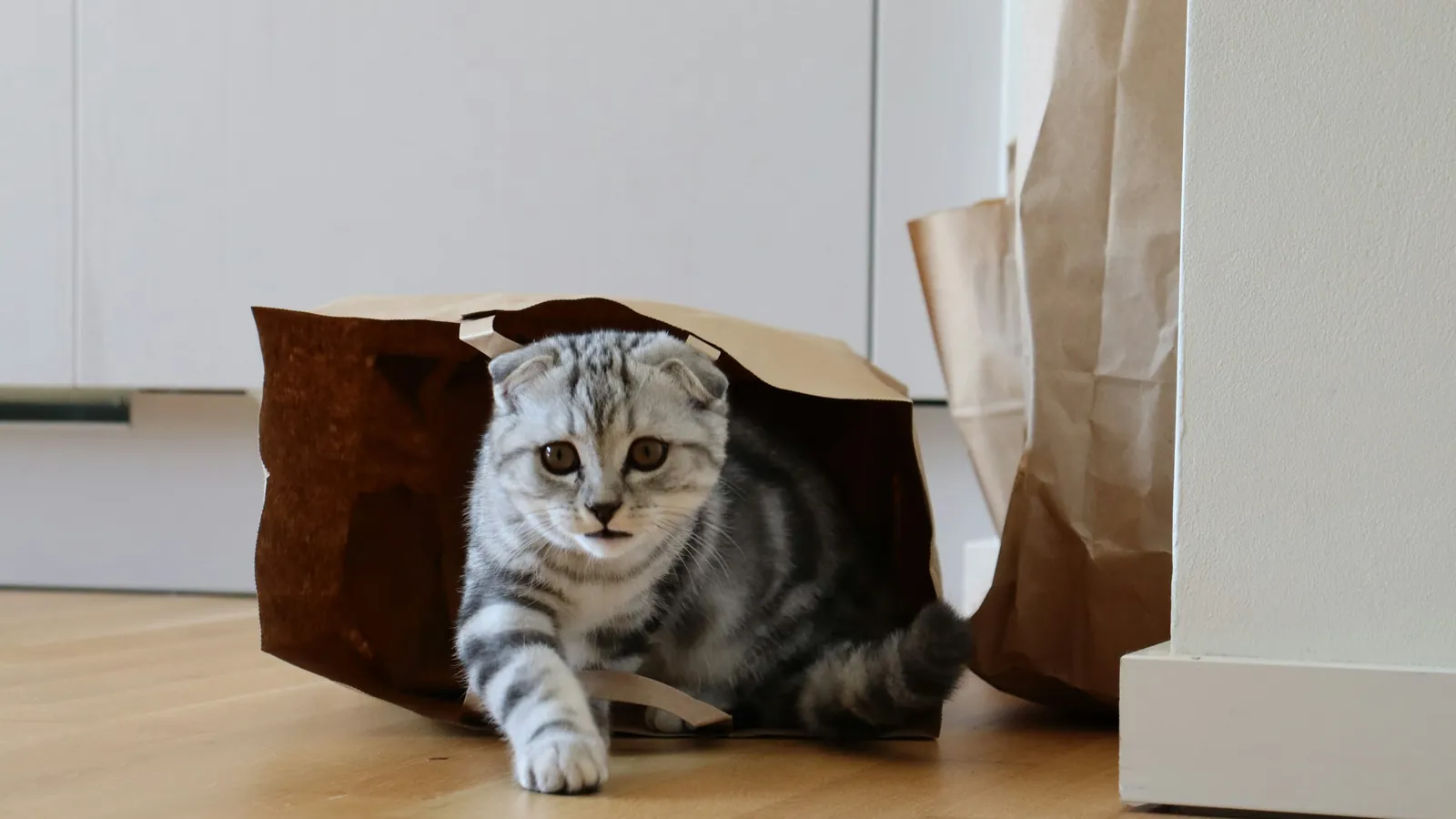
Can cats eat eggs? Yes. A little plain, fully cooked egg is a safe treat for most healthy cats, and lots of cats love it. The one big rule is to never serve it raw. Here's why, how much to give, the best way to cook it, and what to write down for your sitter so everyone's on the same page.
Quick answer
Yes, cats can eat eggs if they're fully cooked and plain. Scrambled or hard-boiled with no butter, oil, salt or seasoning is best. Skip raw eggs, which can carry Salmonella. Keep it small, about a teaspoon for an average cat, a couple of times a week, since treats should stay under 10% of daily calories.
Can cats eat eggs? The short answer
Yes. Chewy (reviewed by a vet), PetMD, Purina and Pumpkin all agree: cooked eggs are a safe treat for cats. Both the white and the yolk are fine once they're cooked through.
Eggs are packed with good stuff. Chewy lists protein, vitamins A, B6, B12, D and E, and minerals like iron, zinc and selenium. A medium egg has about 6 grams of protein. Cats are meat eaters, so a bit of egg is a natural fit.
Two catches, though. First, eggs have to be cooked. Second, they're a treat, not a meal. PetMD points out eggs shouldn't be your cat's main source of protein, and Purina notes they're not complete nutrition. Your cat's regular food covers everything they need. Egg is just a bonus.
Can cats eat raw eggs?
No. This is the part every source agrees on. Here's why raw eggs are off the menu:
- Bacteria. The ASPCA says raw eggs can carry Salmonella and E. coli, which can make pets and people sick. Chewy adds that a cat who doesn't seem sick can still spread the bacteria in their saliva or poop, so the whole household is at risk.
- Avidin. Raw egg whites contain a protein called avidin. Purina explains it blocks biotin (vitamin B7), and over time that can cause a deficiency. The ASPCA notes this can lead to skin and coat problems. Cooking takes care of it.
- Bird flu. Chewy mentions raw eggs from infected birds may carry a small risk of bird flu.
PetMD's advice is to cook eggs to an internal temperature of 160°F. In plain terms: no runny yolks, no soft middles. Pumpkin even says cats on raw food diets still shouldn't get raw eggs.
Some cats are more at risk if they eat raw egg. Chewy lists kittens, senior cats and cats with FIV, FeLV, diabetes, cancer or chronic kidney disease.
How much egg can a cat eat?
Less than you'd think. The rule most sources use is that treats, eggs included, should be no more than 10% of your cat's daily calories. Purina's nutritionist says a moderately active 10 pound cat needs about 250 calories a day, and a large egg has about 70. So one whole egg is way too much for one cat.
Here's Chewy's vet-reviewed guide for plain, cooked egg:
| Your cat's weight | Cooked egg per serving |
|---|---|
| Up to 10 pounds | 1 teaspoon |
| 11 to 15 pounds | 2 teaspoons |
| 16 pounds and up | 1 tablespoon |
Chewy suggests egg about once or twice a week. PetMD's version is about 1 tablespoon of cooked egg white added to an adult cat's food. If you want to give more than this, check with your vet first.
First time? Start with a tiny bite and watch for an upset stomach over the next day. Purina also says some cats just aren't interested, and that's fine too.
Scrambled, boiled or fried? How to prepare eggs for cats
| Type of egg | OK for cats? | Why |
|---|---|---|
| Plain scrambled egg | Yes, a little | Cooked through, easy to portion. No butter, milk, oil or salt. |
| Hard-boiled egg | Yes, a little | Purina says hard-boiled, shell off, no salt or pepper is a good option |
| Poached or plain fried egg | Only if fully cooked | Pumpkin says these are OK with no butter or additives. No runny yolk. |
| Raw, soft-boiled or runny egg | No | Can carry Salmonella and E. coli |
| Egg fried rice, omelets with fillings | No | Purina warns egg fried rice usually has onion, which is toxic to cats |
| Egg mayo or deviled eggs | No | High in fat and salt, plus seasonings |
| Eggshells | No | Purina says big pieces can be a choking hazard |
The easy way to do it:
- Cook it all the way. Scramble it in a nonstick pan with nothing added, or hard-boil it.
- Keep it plain. No butter, oil, milk, cheese, salt, pepper, onion or garlic.
- Take off the shell if you boiled it.
- Let it cool to room temperature.
- Chop it small and offer a few bits, or mix them into their usual food.
Making eggs for yourself? Scoop out your cat's teaspoon before you add any butter or seasoning.
Can cats eat egg yolks and egg whites?
Both are fine when cooked, but they're different. PetMD explains that egg whites are almost all protein, while yolks are mostly fat. That makes the yolk the richer part.
So if your cat is a little chunky, PetMD and Pumpkin both lean toward the white. Extra fat and calories can lead to weight gain, and PetMD notes fatty food can cause tummy trouble and pancreatitis. For a healthy, active cat, a little cooked whole egg is fine.
Cats who should skip eggs
- Cats with kidney disease. Chewy says too much protein can be hard on the kidneys, and Pumpkin says cats with kidney issues should skip yolks. Ask your vet.
- Cats on a prescription diet or weight loss plan. Purina points out eggs are high in fat. Check with your vet first.
- Cats with an egg allergy. It's not common, but it happens. Watch for the signs below.
- Kittens, mostly. Purina and PetMD say a small bit of cooked egg is OK for a kitten with your vet's OK, but kitten food is the better choice for a growing body.
Signs your cat isn't doing well with eggs
| What happened | Signs to watch for | What to do |
|---|---|---|
| Ate too much cooked egg | Vomiting, diarrhea, low appetite | Stop the egg. Call your vet if it doesn't settle. |
| Ate raw egg | Vomiting, diarrhea, low appetite, sore belly, tired or not acting like themselves | Chewy says call your vet if signs last more than 24 hours, or sooner if they ate more than one egg, have FIV or FeLV, or are very sick |
| Possible egg allergy | Itching, rashes, overgrooming, vomiting, diarrhea (Pumpkin adds sneezing and ear infections) | Stop feeding egg and talk to your vet |
| Ate egg cooked with onion or garlic | Stomach upset in 6 to 24 hours; pale or yellow gums, weakness or trouble breathing in 1 to 5 days (PDSA) | Call your vet or a poison line now, before signs show up |
Tell your sitter about eggs
Your sitter can't guess your cat's treat rules. If egg is a thing in your house, write it down so a kind sitter doesn't hand over a bite of their buttery breakfast. A few lines does it:
- Treats: "Plain cooked egg is OK, 1 teaspoon, twice a week max. No butter, salt or seasoning."
- Never give: "Raw egg, egg with onion or garlic, egg fried rice, deli meat, lilies."
- Health notes: "On a kidney diet, no extra treats" (if that's your cat).
- If something goes wrong: your vet's number, the nearest emergency clinic and the two poison lines.
DearSitter puts all of that on one link. Your cat's page has a "never give" list, feeding notes, your vet and printable emergency cards, and your sitter can tick off each feeding. See how it looks on the example page, then make your cat's page. Sharing holiday leftovers? Our guide to can cats eat turkey covers that, and how long a cat can be left alone helps you plan sitter visits. Have a dog too? See can dogs eat eggs or check anything in our dog food checker.
Frequently asked questions
Can cats eat eggs?
Yes. Plain, fully cooked eggs are a safe treat for most healthy cats. Scrambled or hard-boiled with no butter, oil, salt or seasoning is best. Keep it small and occasional.
Can cats eat scrambled eggs?
Yes, if they're plain. Scramble the egg with no butter, milk, oil, salt or seasoning, let it cool, and offer about a teaspoon for an average size cat.
Can cats eat raw eggs?
No. Raw eggs can carry Salmonella and E. coli, which can make cats and people sick. Raw egg whites also contain avidin, which blocks the vitamin biotin.
How much egg can I give my cat?
Chewy's vet-reviewed guide is about 1 teaspoon for cats up to 10 pounds, 2 teaspoons for 11 to 15 pounds and 1 tablespoon for 16 pounds and up, once or twice a week. Treats should stay under 10% of daily calories.
Can kittens eat eggs?
A small bit of fully cooked, plain egg is OK for a kitten if your vet agrees, but kitten food is the better choice because growing kittens need a complete diet.
Can cats eat eggshells?
It's best not to. Purina says large pieces of shell can be a choking hazard, and cats get the same minerals from their regular food.
Sources
- Chewy: Can cats eat eggs? (reviewed by Jennifer Coates, DVM)
- Chewy: Can cats eat raw eggs?
- PetMD: Can cats eat eggs?
- Purina: Can cats eat eggs? A guide to safety
- Purina UK: Can cats eat eggs?
- Pumpkin: Can cats eat eggs?
- ASPCA: People foods to avoid feeding your pets
- PDSA: Onion and garlic poisoning in cats
- ASPCA Animal Poison Control
- Pet Poison Helpline
This guide is general information, not veterinary advice. If you're worried about your pet, call your vet.
Keep reading
Can cats eat turkey?
Can cats eat turkey? Yes, plain cooked turkey is a safe treat. What to skip (skin, bones, gravy, deli meat), how much to give, and Thanksgiving tips.

How long can a cat be left alone?
How long can a cat be left alone? Expert guidance for adult cats, kittens and seniors, why daily check-ins matter, and what to do when you travel.

Are lilies toxic to cats?
Are lilies toxic to cats? Yes. Even a little pollen can cause kidney failure. Which lilies are dangerous, the symptoms, and why speed matters.